
"Asia Pacific"
700 article(s) found

A brief introduction to the origin, development, history and culture of boutique coffee beans in Joy Manor, Nicaragua, with mediocre and gentle flavor.
Nicaragua is mainly divided into four major producing areas, namely, Bosnia and Herzegovina Sub-region (Segovias), Madaguelba / Sinodega region (Matagalpa/Jinotega), Polgo region (Boaco) and Pacific Coast region (Pacific).

Boutique coffee from Asia Sumatra
Sumatran coffee Sumatra coffee sumatra and Manning coffee are synonymous. Manning coffee is produced in Sumatra, Indonesia, Asia, also known as Sumatran coffee. Her flavor is very rich, fragrant, bitter, mellow, with a little sweetness. Most coffee lovers drink on their own, but it is also an indispensable variety for blending coffee. Sumatran coffee because of its

Introduction to the fragrant and delicious Nicaraguan coffee flavor and taste of the manor producing area
Coffee is Nicaragua's main export. According to the president of the Nicaraguan Coffee Farmers' Federation, due to the poor harvest of coffee in Nicaragua's Pacific region, the country's total coffee production in 1998 may be 12% lower than that in 1997. In the coffee year of 1997 and 1998, Nicaragua harvested 1.422 million bags of coffee (each bag of 46kg), which has been producing 1% of coffee in the past 14 years.
Pacific Coffee Plan China opens 1000 stores to catch up with Starbucks
China Resources Entrepreneurship, which just entered the coffee chain last year, is rapidly enclosing its horses in mainland China. Yesterday, China Resources's Pacific Coffee Beijing International Trade Store officially opened to the public, its 13th direct store since it opened its first mainland coffee chain in Shanghai in April this year. The company plans to expand its mainland stores to 50 by the end of this year. Yesterday, Pacific Coffee first

Introduction of Nicaraguan Coffee Flavor introduction of boutique coffee beans in Nicaraguan coffee producing areas
Coffee is Nicaragua's main export. According to the president of the Nicaraguan Coffee Farmers' Federation, due to the poor harvest of coffee in Nicaragua's Pacific region, the country's total coffee production in 1998 may be 12% lower than that in 1997. In the coffee year of 1997 and 1998, Nicaragua harvested 1.422 million bags of coffee (each bag of 46kg), which has been producing 1% of coffee in the past 14 years.

Flavor and taste of Nicaraguan boutique coffee beans introduction to Nicaraguan coffee manor producing area
Coffee is Nicaragua's main export. According to the president of the Nicaraguan Coffee Farmers' Federation, due to the poor harvest of coffee in Nicaragua's Pacific region, the country's total coffee production in 1998 may be 12% lower than that in 1997. In the coffee year of 1997 and 1998, Nicaragua harvested 1.422 million bags of coffee (each bag of 46kg), which has been producing 1% of coffee in the past 14 years.

Introduction to the characteristics of coffee flavor and taste in Nicaragua Los Congo Manor
Since July 1927, Augusto. Cesar. Sandino led the people in a guerrilla war against the US occupation, forcing the US military to withdraw in 1933. On February 21, 1934, the Commander of the Nicaraguan National Guard, Anastacio. Somocha. Garcia assassinated Sandino at the behest of US President Roosevelt. He became president in 1936 and has been pro-American for more than 40 years since then.

Introduction to the characteristics of manor flavor and taste in the main producing areas of Nicaraguan coffee
Coffee is Nicaragua's main export. According to the president of the Nicaraguan Coffee Farmers' Federation, due to the poor harvest of coffee in Nicaragua's Pacific region, the country's total coffee production in 1998 may be 12% lower than that in 1997. In the coffee year of 1997 and 1998, Nicaragua harvested 1.422 million bags of coffee (each bag of 46kg), which has been producing 1% of coffee in the past 14 years.

Nicaraguan Coffee Manor Tianji Manor introduces boutique coffee beans
Coffee is Nicaragua's main export. According to the president of the Nicaraguan Coffee Farmers' Federation, due to the poor harvest of coffee in Nicaragua's Pacific region, the country's total coffee production in 1998 may be 12% lower than that in 1997. In the coffee year of 1997 and 1998, Nicaragua harvested 1.422 million bags of coffee (each bag of 46kg), which has been producing 1% of coffee in the past 14 years.

Introduction to Nicaraguan Coffee Manor
Nicaraguan coffee of high quality is in the forefront of coffee beans in the world and enjoys a good reputation. Its particles are moderate in size, mild in taste and very aromatic and mellow. Nicaragua is located in central Central America, bordered by the Pacific Ocean to the west and the Caribbean Sea to the east. The highlands in the north and the coastal plains in the east are part of the Central American volcanic belt. The eastern plain is high-temperature and rainy, with a tropical maritime climate. Suitable
Fine Coffee Bean Coffee Origin Americas Nicaragua
Americas Nicaragua Nicaragua is located in central Central America, bordered by the Pacific Ocean to the west and the Caribbean Sea to the east. North central highlands, coastal plains to the east, is part of the Central American volcanic belt. The eastern plain is hot and rainy, and has a tropical marine climate. Suitable climate provides a good growing environment for coffee cultivation. (Nicaragua Pacamara species on left, Guatemala on right)
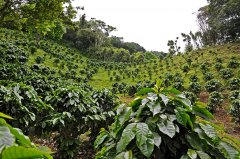
Round beans of Chateau Kimmel, Papua New Guinea
Located in the east of the Indonesian archipelago, Papua New Guinea, which is dominated by highlands, has a pattern of large manors / farms and small farmers, growing a variety of coffee varieties. The flavor of coffee in Papua New Guinea is very different from that of coffee from other Asian regions such as Indonesia, South Asia, India or the Pacific Islands; compared to Indonesian beans, which are mostly semi-washed (wet peeled).

A brief introduction to the cultivation of exquisite fragrant Nicaraguan coffee beans, geographical location, climate and altitude
Nicaragua is one of the major coffee-producing countries, producing high-quality coffee. Even coffee from the Antigua Mountains of Guatemala, which is famous in Asia, imports raw beans from Nicaragua. Although Nicaraguan coffee is not famous in Asia, Nicaragua coffee is already famous all over the world (Starbucks has many cooperative coffee farmers in Nepal), while several coffee-producing countries in Central America

The flavor and taste of Nicaraguan boutique coffee beans the manor area introduces the characteristics of Nicaraguan coffee.
Coffee is Nicaragua's main export. According to the president of the Nicaraguan Coffee Farmers' Federation, due to the poor harvest of coffee in Nicaragua's Pacific region, the country's total coffee production in 1998 may be 12% lower than that in 1997. In the coffee year of 1997 and 1998, Nicaragua harvested 1.422 million bags of coffee (each bag of 46kg), which has been producing 1% of coffee in the past 14 years.

Matagalpa producing area of Nicaraguan coffee with moderate acidity and delicious aroma
Coffee is Nicaragua's main export. According to the president of the Nicaraguan Coffee Farmers' Federation, due to the poor harvest of coffee in Nicaragua's Pacific region, the country's total coffee production in 1998 may be 12% lower than that in 1997. In the coffee year of 1997 and 1998, Nicaragua harvested 1.422 million bags of coffee (each bag of 46kg), which has been producing 1% of coffee in the past 14 years.

The main reason for drinking coffee while it is hot is what kind of fine coffee is introduced.
Coffee is Nicaragua's main export. According to the president of the Nicaraguan Coffee Farmers' Federation, due to the poor harvest of coffee in Nicaragua's Pacific region, the country's total coffee production in 1998 may be 12% lower than that in 1997. In the coffee year of 1997 and 1998, Nicaragua harvested 1.422 million bags of coffee (each bag of 46kg), which has been producing 1% of coffee in the past 14 years.
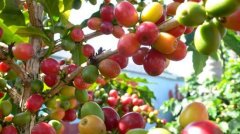
Introduction to the Flavor of latte Coffee from the Origin of Coffee A Grade A washing at the Chateau Cimere in PNG, Papua New Guinea
Located in the east of the Indonesian archipelago, Papua New Guinea, which is dominated by highlands, has a pattern of large manors / farms and small farmers, growing a variety of coffee varieties. The flavor of coffee in Papua New Guinea is very different from that of coffee from other Asian regions such as Indonesia, South Asia, India or the Pacific Islands; compared to Indonesian beans, which are mostly semi-washed (wet peeled).

Nicaraguan Coffee Bean production Environment Manor Flavor characteristics Tian Chi Manor introduction to Nicaraguan Coffee
Coffee is Nicaragua's main export. According to the president of the Nicaraguan Coffee Farmers' Federation, due to the poor harvest of coffee in Nicaragua's Pacific region, the country's total coffee production in 1998 may be 12% lower than that in 1997. In the coffee year of 1997 and 1998, Nicaragua harvested 1.422 million bags of coffee (each bag of 46kg), which has been producing 1% of coffee in the past 14 years.
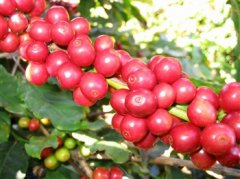
Basic knowledge of Coffee the main producing areas of Coffee in the World
The main coffee producing areas in the coffee market are mainly Coffea Arabica and Coffea Robusta. Each of them can be subdivided into more variety branches. Most of the coffee beans in circulation on the market are distinguished by their origin. The following lists some of the major coffee producing areas and their famous coffee: coffee producing areas in Asia and the Pacific:

Drinking coffee can resist oxidation and help prevent chronic diseases.
Recently, Nestl é Research Center, together with the organizers of the 24th Great Wall International Cardiology Conference and the 2013 Asia-Pacific Heart Congress, jointly organized a forum on the theme of nutrition promoting cardiovascular and metabolic health. The forum pointed out that dietary regulation plays an important role in the prevention of cardiovascular and metabolic diseases, and it is also a useful supplement to the treatment of health care. And the experts in Nestl é are also public.